How agencies manage many client brands with AI agents
Give each client job an explicit brand, current guidance and a handoff the next person can use. Keep brand changes separate from campaign feedback without replacing your delivery tools.
TL;DR
Keep a small roster that connects each client to its current brand guidance, files and open questions. Name the brand in every job, retrieve the relevant context, and hand over the draft with its sources and remaining decisions. Separate lasting brand changes from campaign instructions. Keep delivery and any agreed client approval in your existing project workflow.
Keep a roster that routes the work
“Use the same look as last time” leaves the next writer, designer or agent to find the earlier work and recover its brand decisions.
Give that person a short client record in the project tool or spreadsheet your agency already uses:
| Record | What it helps the next person do |
|---|---|
| Client and brand name | Select the identity for this job |
| Brand reference and account or team | Retrieve the intended brand from the connected system |
| Current source links | Check a disputed rule without searching old attachments |
| Contact for brand questions | Resolve missing or conflicting guidance |
| Last applied brand change | Identify files or jobs that may need updating |
| Open questions | See what remains unknown |
| Delivery links | Find campaigns, drafts, final files and any agreed approvals |
Link to maintained guidance and product sources rather than copying them into the roster. For a new client, use the onboarding checklist to collect sources and check the first task.
Start each job with the intended brand
Rainbrand maintains shared brand guidance and assets for recurring client work. A Brief supplies the context for a particular deliverable; the agent uses it with your creation tools.
- Name the job: client, deliverable, audience and campaign request.
- Confirm access: connected account, intended team and the person's permission to use the brand. A roster entry grants no access.
- Select the brand: keep its actual reference beside its readable name and resolve ambiguous matches before drafting.
- Request the Brief: inspect its guidance and files before making the work.
Use the Claude, Cursor or Claude Code setup guide. Rainbrand adds new brands to the personal account by default, so name the intended team at creation. The MCP quickstart and tool reference cover confirming the account and listing teams and brands.
Use the client and task from your roster in a reusable request:
Confirm the connected Rainbrand account. Find [client]'s ready brand in the team named in this job and confirm the selection before continuing. If more than one brand matches, ask which to use. Request a Brief for the attached deliverable and audience. Show the guidance and selected assets, then make the draft. Flag missing product facts and return the work without sending or publishing it.Keep the client reference and task in reusable instructions; retrieve the guidance. Agencies can also embed this workflow in client services.
Decide what feedback changes
Client feedback can refer to one sentence, one campaign or all future work. Record which before updating the brand.
| Feedback | Where the resulting instruction belongs |
|---|---|
| “Use this product name from now on.” | Maintained brand guidance, with the source for the change |
| “This launch uses a warmer visual direction.” | This campaign's request, including its scope |
| “Crop this image more tightly.” | The revision notes for this output |
Ask when the scope is unclear; approving one image does not change every later task. Record who can decide product facts, brand changes and publication under the client's existing arrangements.
For a lasting change, prepare a Brand Edit, answer any questions it raises, then inspect the proposal and refine, apply or discard it through the authorised workflow. After applying it, request a fresh Brief and note the change, source and affected jobs in the roster. Update scheduled work and downloaded files separately.
Keep the files usable by the next creator
Supply the original logo and font files, with the rights needed for the work. Add reusable photos, illustrations and footage to Rainbrand's Brand Library; temporary uploads and experiments stay outside it unless added. Written guidance, colours and typography change through brand edits.
For clothing brand Son of a Tailor, Codex's cotton-guide and care-insert Briefs linked Oatmeal Pro 600 and its specimen below. The font file lets a renderer use the typeface; the specimen lets another creator inspect it.
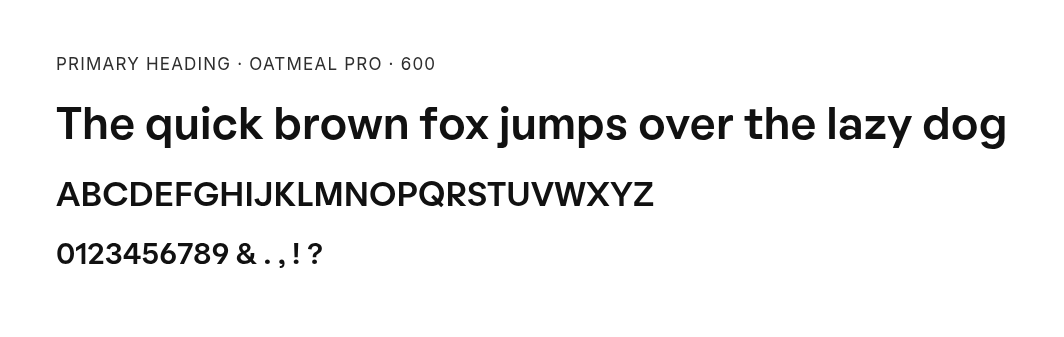
The specimen accompanies the downloadable font file
Name each reusable asset and its purpose. When it is superseded, replace references in active jobs as well as the brand collection.
Hand over the job's current state
Hand over the current draft, decisions and next action, rather than requiring someone to reconstruct them from a conversation. Include Rainbrand Review findings: submit the finished image or page/slide capture with expected copy and constraints, then use your own tools to correct it.
Client and authorised brand reference:
Deliverable, audience and campaign request:
Guidance used for this job:
Files used, with usable links:
Latest draft:
Feedback still to apply:
Review findings still open:
Questions and who can answer them:
Any agreed client approval, with its record:
Brand changes since this job started:
Next action and responsible person:
Final file and delivery location:
Omit fields the job does not need. Keep the checks and their supporting evidence with the job. For coffee roaster Friedhats, Claude compared the curved lettering on its jar sticker with the supplied font files and confirmed a match.
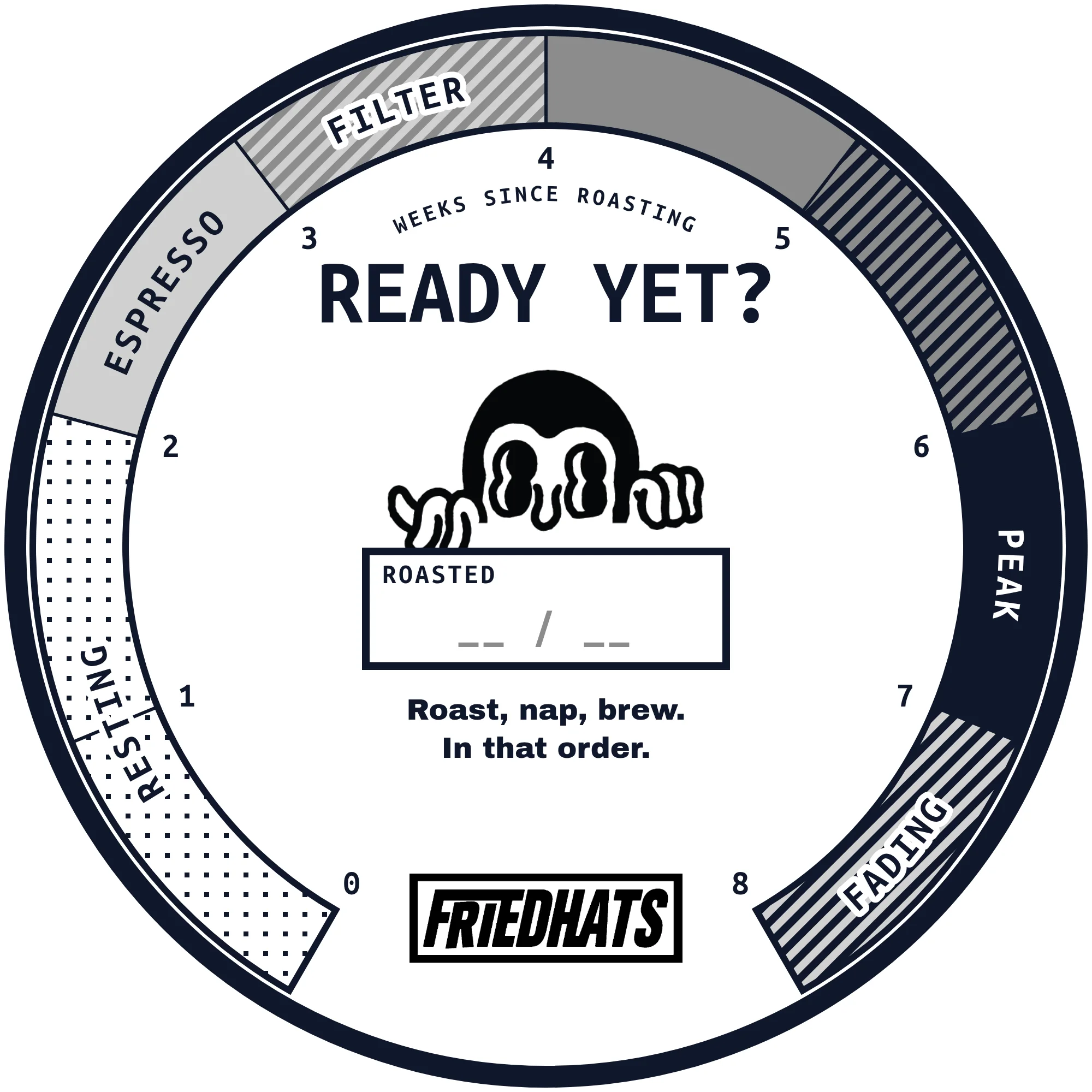
Claude confirmed the lettering against the supplied font files
For new work, retrieve current context. For a revision, record whether a later brand change applies. Keep any required client approval in the delivery workflow; a brand check does not record acceptance of an offer, date or claim.
Maintain the roster when work exposes a problem
- Changed facts or conflicting files: check the maintained guidance and update affected jobs.
- Repeated output failures: distinguish wrong guidance from a draft that ignored a clear rule. Correct the actual cause.
- Access changes or an ending account: close scheduled work, update access and retain material under the client's agreement. Client-facing software also needs server-side brand controls.
Try one handoff with a colleague. They should be able to select the brand, retrieve guidance, find the draft and continue without recovering decisions from your memory.
More in Agencies
5 min read
How agencies keep client brands separate across AI tools
Client brands get mixed in two ways: an agent applies the wrong client’s guidance, or one client’s material turns up in chats and projects where it doesn’t belong. Here’s how agencies guard against both in the AI tools they already use.
5 min read
How agencies get client approval on AI-made brand work
Agree the ground rules before the first draft, check the work against the client’s brand before they see it, tell them how it was made and what they’re deciding, and put each correction into their brand once.
4 min read
How to onboard a client brand into AI: an agency checklist
Collect the client's current sources, resolve conflicting guidance, create reusable brand context and check the first task. Keep the files, findings and unanswered questions in a handoff your team can use.