A Markdown brand guidelines template for AI agents
Fill a Markdown brand guide with your own rules, approved examples and source links, then package the real logos, fonts and references agents need.
TL;DR
A useful Markdown brand guide combines specific writing and visual rules, examples, exact values and links to the files an agent should use. Keep temporary campaign instructions separate from lasting guidance. Test the package on familiar work, track changes and give agents a maintained reference rather than a growing collection of copies.
Use brand.md for instructions and link it to the actual logos, fonts and reference images.
Copy the template
Replace every bracketed field with your own guidance. Keep an unanswered field as a TODO rather than filling it from an agent's guess. Save the file as brand.md.
---
brand: "[Brand name]"
updated: "[Date of the latest guidance change]"
contact: "[Where to ask about the brand]"
---

# [Brand name] brand guidelines

## How to use this file

- Read the sections relevant to the task.
- Preserve exact names, sourced claims and original assets.
- Keep campaign instructions within their stated scope.
- Report missing facts or files before making the work.

## Identity

- What the business makes:
- Who it serves:
- What readers need to understand:
- Current sources:

## Voice

### [Trait]

- Instruction a writer can act on:
- When it applies:
- Reason:
- Approved copy and its source:
- Earlier draft and the edit it needed:
- Priority if this rule conflicts with another:

## Names and claims

- Full brand and product spellings:
- Retired names and their replacements:
- Claims this task may use, with source links:
- Qualifications that must stay with those claims:
- Questions the sources do not settle:

## Colour

| Colour | Exact value | Role and permitted pairings |
| ------ | ----------- | --------------------------- |
| [Name] | [Value]     | [Where and how it is used]  |

- Current palette source:
- Text/background pairings checked:
- Retired colours to keep out of new work:

## Typography

| Role   | Family and weight | File or authorised source |
| ------ | ----------------- | ------------------------- |
| [Role] | [Family, weight]  | [Link]                    |

- Licence and permitted use:
- Font specimen:
- Fallback for working previews:
- What to do if the required font is unavailable:

## Logo

- Original artwork, with a link for each needed variant:
- Permitted backgrounds:
- Minimum size and clear space:
- Uses requiring a compact mark:
- Retired variants:
- Place the supplied artwork; do not redraw it.

## Imagery

For each reference:

- File:
- What it establishes: product, lighting, style or layout
- What must stay exact:
- What may change for this task:

## Application rules

- Rules specific to pages, slides, images or other formats:
- Required wording:
- Accessibility checks for the actual placement:

## Campaign instructions

- Campaign and affected work:
- Start and end:
- Exact copy and campaign files:
- Standing guidance this adds to or overrides:
- What stops applying when the campaign ends:

## Change record

- What changed:
- Why and which source established it:
- Work that needs refreshing:
Fill the template with decisions you can support
| Section | What to supply |
|---|---|
| Header | Brand, date of the latest guidance change and contact for questions. A date distinguishes copies; it does not refresh them. |
| Identity | What the business makes, who it serves and what the product helps them do. |
| Voice | A practical rule, its reason, approved copy and an earlier draft with the edit explained. |
| Names and claims | Exact spellings, current sources and the qualifications attached to each claim. Leave unsupported claims unresolved. |
Anthropic’s prompting guidance recommends reasons and relevant examples. Choose writing you would still use today.
If your starting point is a PDF, use an agent to prepare the file without filling in its gaps:
Draft brand.md from the attached brand guide using this template. Preserve exact product names, values, claim wording and file names. Link each product claim to its source in the supplied material. Write TODO where the sources do not answer a question, and list those gaps at the end. Keep any suggested new wording separate from the sourced guidance.Review the draft and its TODOs. Use the voice-guide tutorial for help with writing rules and examples.
Put the files beside the rules
- Colour: give exact values, their roles and any retired values. Check actual text/background pairs against WCAG contrast guidance, generally 4.5:1 for normal text and 3:1 for large text. Check gradients where the text sits.
- Fonts: supply the needed weights, usage rules, fallback and licence. Check the licence permits the intended use and redistribution.
- Logos: link original artwork to its permitted background and minimum size. Instruct the agent to place the file.
- Images: label what each reference establishes, such as the product, lighting or layout, and what may change.
Make the links in brand.md match the supplied files:
brand/
├── brand.md
└── assets/
    ├── docs/
    ├── fonts/
    ├── logos/
    └── images/
Open every link from the agent's environment. If it cannot access the folder, supply accessible URLs or upload the files.
For Friedhats, a coffee roaster, Rainbrand supplied Claude with artwork for coffee-jar pieces and explained its intended roles. The guidance distinguished the identity mark from the jar character and the supplied square-grid pattern from the requested dot grid.

Identity: the wordmark
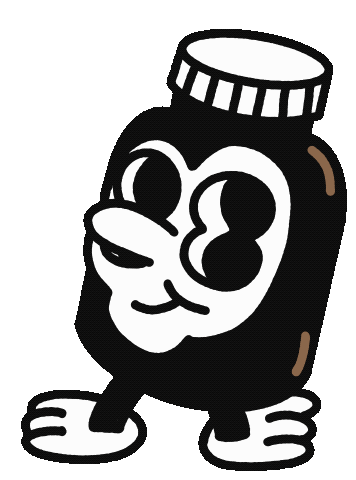
Artwork: the jar character

Pattern: a square grid, not dots
Try it on a familiar task
Choose a recent piece of work whose brand decisions you understand. Ask an agent to use the package and identify the rule or file behind its choices.
Use brand.md and its linked assets to draft our next product launch image. Before making it, list the relevant product facts, voice rules, colour roles, logo file and imagery references. Identify missing files or unsupported details. After making it, compare the result with those instructions and report specific differences.Check what caused each difference:
| Finding | What to inspect |
|---|---|
| Substituted font | Whether the font link opened. |
| Generic headline | Whether the voice rule has a useful example. |
| Wrong colour despite a clear rule | The output itself; it may need correction rather than a new rule. |
Before sharing:
- Open the linked files and check sources for claims.
- Replace placeholders and align the header with the change record.
- Give campaign instructions a scope, any overrides and an expiry, so temporary copy does not become a lasting rule.
Keep the next task on the current guidance
Keep one maintained source with change history. In a repository, point AGENTS.md to it rather than repeating the rules. A larger guide can use the Agent Skills folder format, with a SKILL.md entry point, references and assets; see format choices.
For shared context across agents, use Rainbrand:
- Add the brand from Markdown, other sources and original assets.
- Have agents request a Brief, selected guidance and assets for their task.
- When guidance changes, prepare and inspect an edit, apply it, then request a new Brief.
For tools that need local files, a Brand Skill export includes the complete guidance and assets. Replace the downloaded folder after a change.
More in Brand guidelines
All 7 Brand guidelines articles6 min read
Brand guidelines vs brand context: what does an AI agent need?
Brand guidelines explain the whole brand to people. Brand context is the part of it an agent receives for one task, in the form that task uses. Here’s how one brand becomes different contexts for different tasks, why more context isn’t better, and how to keep it current.
4 min read
How to turn a brand PDF into instructions AI can use
Turn a brand PDF into explicit rules, exact values and usable asset files. Inventory the guide, resolve conflicting instructions, and keep the result current across agents.
4 min read
How to turn your website into brand guidelines AI can use
Use your website as evidence for brand guidelines. Learn what to extract, how to resolve gaps and conflicting choices, and how to keep agents current.